Couples therapy for partners who understand their patterns—but still feel stuck inside them
Beyond insight, toward meaningful change
Couples therapy in Scarborough, Maine. In-person and telehealth sessions available.


You’ve read the books, listened to the podcasts, learned your attachment styles, or tried couples therapy before. You understand why one of you reaches harder while the other pulls away. You know defensiveness makes things worse. You’ve promised each other that next time will be different.
And still, despite everything you understand and how much you care about each other, the same cycle keeps pulling you both back in.
This doesn’t mean your relationship is broken. It means insight alone hasn’t been enough to change the experience you keep having with each other.

Insight can explain what happens. But change begins when you experience something different together.
You already know what happens between you. You can name the cycle, trace where it comes from, and still find yourselves having the same painful conversations.
At Modern Couples Project, we help you move from understanding your relationship to changing what happens inside it—so you can find your way back to each other when conflict arises.

A look, a tone or a familiar silence—and suddenly, you’re back in the same place
One of you asks, “Can we talk about this?” The other hears criticism and pulls away. The quieter one of you gets, the harder the other tries to be heard.
By the end, the thing you wanted to talk about has almost disappeared. What stays with you is how far apart you feel.

What happens when you catch the pattern together?
One partner says, “You never tell me what you’re thinking.” The other looks away.
In therapy, there’s room to pause there. What did the question sound like to the partner who looked away? What did that silence mean to the partner who asked?
Once you can hear those answers, you have something different to respond to.
You don’t need another place to have the same conversation
We notice when protection takes over. We help you see the good reasons for your actions. We slow things down so you don’t have the same fights that happen at home. We challenge you, but with compassion and without blame.
Change in real time
Understanding your cycle matters. The deeper work is creating a different experience with each other when that cycle begins.
Enough room for the work
The format is matched to the relationship, so the clock does not automatically determine the depth of the work.
Challenge without blame
We name what needs attention and challenge patterns that hurt the relationship—without turning either partner into the problem.
A clear sense of direction
You should know what you’re working on, what’s changing, and where the relationship still needs attention.
We help you reach what’s underneath the anger, distance or defensiveness—so you can respond to each other differently.

When one of you is ready and the other is unsure
You both don’t need to arrive equally comfortable with therapy. There’s room here for the partner who’s ready to begin and the partner who’s unsure, guarded, or worried about being blamed.

Your relationship should not have to fit into a one-size-fits-all model.
A FORMAT SHAPED around the work
Some couples benefit from ongoing therapy. Others need extended time to work through an entrenched pattern, a major rupture, or a decision that can’t be meaningfully addressed in a standard session.
Your process begins with understanding what’s happening in the relationship, what you want to change, and what kind of therapeutic container is most likely to support that work.
Intentional ongoing work for couples who want to change recurring patterns and strengthen connection over time.
Couples Therapy
More room to stay with important work without repeatedly stopping just as something meaningful begins to emerge.
Concentrated relationship work for couples who need depth, momentum, or support around a particular stuck place.
Focused Interviews

FOR COUPLES WHO WANT MORE THAN PEACEFUL COEXISTENCE
There may be a great deal of love here—and still—something between you has grown thinner.
Less curiosity. Less connection. Less sex.
More logistics. More parallel living. The same argument in different clothes.
Or betrayal, transition, parenting conflicts, or loss of trust has made it impossible to go on like before.

Modern Couples Project may be a good fit if:
You care deeply about the relationship and don’t want to tolerate the same patterns for another five or ten years
You’re willing to look honestly at how each of you contributes to what happens between you
You have insight but struggle to access it when emotions run high
You’ve tried therapy or learned communication skills without creating lasting movement
You want a thoughtful, personalized process rather than a generic couples curriculum

EXPERIENCED RELATIONSHIP CARE, DEEPLY HUMAN
Warmth matters. So does having a therapist who can help the work move forward.

Sindee Gozansky, LCPC • Founder
With deep relational expertise and a warm, direct approach, Sindee helps couples move beyond understanding their patterns to creating meaningful change. Her work draws on attachment-based and experiential therapies, focusing on what truly makes a difference in how partners connect.
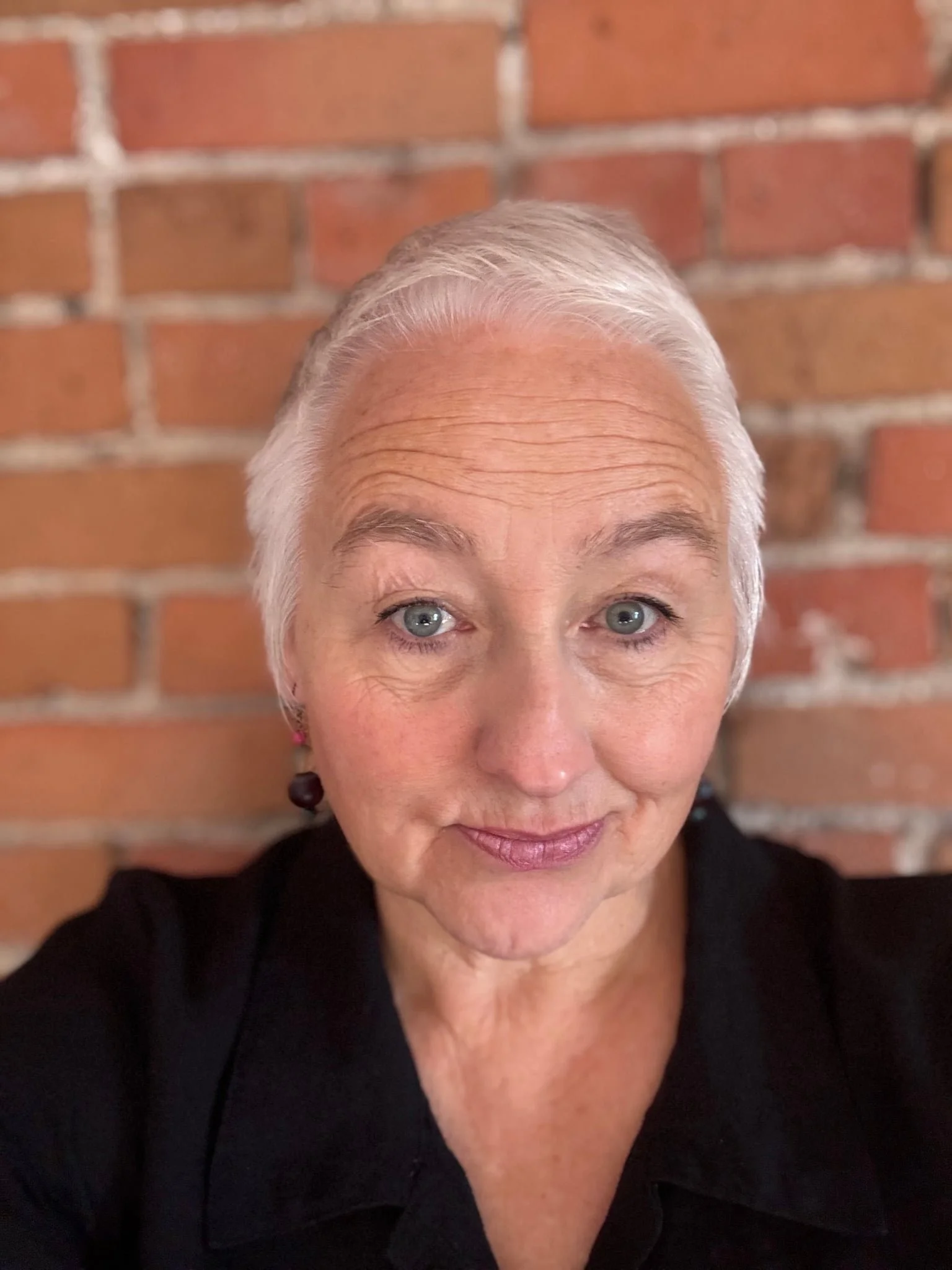
With a thoughtful, direct approach and clinical expertise, Edie helps couples navigate difficult emotions and patterns to create change. Drawing on Emotionally Focused Therapy, Relational Life Therapy, and psychoanalytic approaches, she helps partners rebuild connection and find new ways forward.
A MODERN WAY TO CARE FOR A RELATIONSHIP
You don’t have to wait until your relationship is falling apart to take it seriously
Modern couples are carrying careers, parenting, intimacy, identity, technology, aging parents, changing roles, and enormous expectations of partnership. Even strong relationships can lose oxygen beneath the weight of a full life.
Seeking support is not an admission that the relationship has failed. It’s an intelligent, intentional investment in the life you’re building together.
We help couples facing
Emotional disconnection
Intimacy and sexual concerns
Parenting and co-parenting challenges
Life transitions and relationship stress
Premarital counseling
Marriage counseling
Relationship strengthening and growth
Financial stress and disagreements

Tell us what brings you here
You might have a specific concern or simply know you’re tired of ending up in the same place. A consultation is a place to talk about whether working with Modern Couples Project might be a good fit.